Inga problem. Det finns ju oändligt med pengar, det räcker och blir över till alla.

Install the app
How to install the app on iOS
Follow along with the video below to see how to install our site as a web app on your home screen.
Note: This feature may not be available in some browsers.
You are using an out of date browser. It may not display this or other websites correctly.
You should upgrade or use an alternative browser.
You should upgrade or use an alternative browser.
Bolån - räntans utveckling i framtiden
- Thread starter DrT
- Start date

Kratoz
Gudomlig sporthojare
Inflationen ökade i Februari så då lutar det nog åt 0.5 eller kanske tom högre i nästa justering.Jag läste i morse att 85% trodde det skulle bli 0.25% höjning.
Jag gissar att FED kanske rent av avvaktar och lämnar räntan oförändrad med tanke på det ekonomiska läget.
Men FED är inte riksbanken och det är inte i Sverige som bankerna gått i konkurs, och USA har inte 11% inflation utan snarare 6% och trots det har vi i Sverige lägre styrränta än USA just nu så beträffande Sverige så tror jag fortfarande på +0.5%.

Two stroke man
Gudomlig sporthojare
Inflationen ökade i Februari så då lutar det nog åt 0.5 eller kanske tom högre i nästa justering.
Ja, det börjar luta åt Handelsbankens prognos +0.75% i april och +0.5% i juli.
Kratoz
Gudomlig sporthojare
Lägger detta här (men det kunde ha varit i Sverige.tråden också).
 www.expressen.se
Vi konservativa vill ha fri marknad och prissättning...tills vi inte vill det längre.
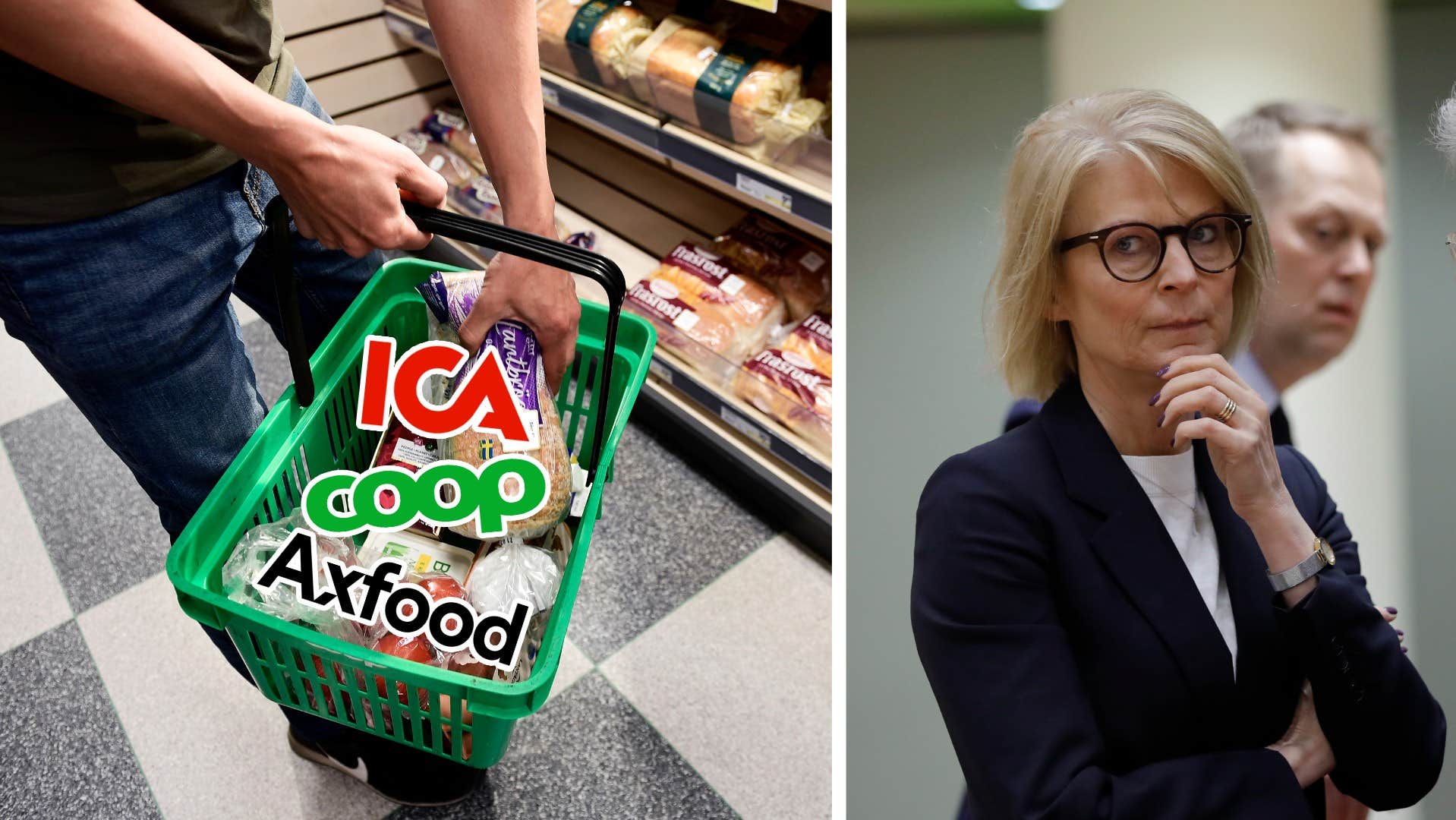
Om man nu kan kalla det "fri marknad" när tre aktörer har 95% av marknaden...
”Oacceptabelt om de höjer priser i onödan”
I dag presenterar SCB de senaste inflationssiffrorna. Inflationstakten enligt KPI var 12,0 procent i februari 2023 – en uppgång från januaris siffror med 1,1 procent. Orsaken är enligt SCB att matpriserna steg under månaden. Nu kallas finansminister Svantesson till sig matjättarna.
www.expressen.se
Vi konservativa vill ha fri marknad och prissättning...tills vi inte vill det längre.
Om man nu kan kalla det "fri marknad" när tre aktörer har 95% av marknaden...

Se där första banken i Europa.
Credit Suisse kommer få låna upp till 54 miljarder dollar, motsvarande cirka 570 miljarder kronor, från den schweiziska centralbanken. Det rapporterar Bloomberg.
Beskedet kommer efter att storbanken rasade 25 procent på börsen på onsdagen, sedan den största ägaren Saudi National Bank meddelat att ytterligare ekonomiskt stöd är uteslutet.
Credit Suisse kommer få låna upp till 54 miljarder dollar, motsvarande cirka 570 miljarder kronor, från den schweiziska centralbanken. Det rapporterar Bloomberg.
Beskedet kommer efter att storbanken rasade 25 procent på börsen på onsdagen, sedan den största ägaren Saudi National Bank meddelat att ytterligare ekonomiskt stöd är uteslutet.
Mmm inflation.Se där första banken i Europa.
Credit Suisse kommer få låna upp till 54 miljarder dollar, motsvarande cirka 570 miljarder kronor, från den schweiziska centralbanken. Det rapporterar Bloomberg.
Beskedet kommer efter att storbanken rasade 25 procent på börsen på onsdagen, sedan den största ägaren Saudi National Bank meddelat att ytterligare ekonomiskt stöd är uteslutet.
Two stroke man
Gudomlig sporthojare
Se där första banken i Europa.
Credit Suisse kommer få låna upp till 54 miljarder dollar, motsvarande cirka 570 miljarder kronor, från den schweiziska centralbanken. Det rapporterar Bloomberg.
Beskedet kommer efter att storbanken rasade 25 procent på börsen på onsdagen, sedan den största ägaren Saudi National Bank meddelat att ytterligare ekonomiskt stöd är uteslutet.
Det där lånet borde ha följt med kravet att banken övertas.
Hela det finansiella systemet idag är sjukt. Och allt galet började med egentligen när usa som första landet i modern tid släppte kravet på att ha en guldreserv som täckte hela penningmängden.
Det tål att tänkas på att de fiat-valutor vi har i världen lever historiskt sett på övertid sedan de övergav guldmyntfoten. Frågan är inte om utan när dom ska bli värdelösa.

Håller med till hundra procent. Buy bitcoin! ?Det där lånet borde ha följt med kravet att banken övertas.
Hela det finansiella systemet idag är sjukt. Och allt galet började med egentligen när usa som första landet i modern tid släppte kravet på att ha en guldreserv som täckte hela penningmängden.
Det tål att tänkas på att de fiat-valutor vi har i världen lever historiskt sett på övertid sedan de övergav guldmyntfoten. Frågan är inte om utan när dom ska bli värdelösa.
Two stroke man
Gudomlig sporthojare
Håller med till hundra procent. Buy bitcoin! ?
Jag tror inte på bitcoin heller, de valutorna kan krossas snabbt i takt med att räntorna för övriga valutor stärks.
Kratoz
Gudomlig sporthojare
BitCoin i år +49%.Jag tror inte på bitcoin heller, de valutorna kan krossas snabbt i takt med att räntorna för övriga valutor stärks.
Just saying.

(Ett år -31%. Ahumpf. )

Håller med till hundra procent. Buy bitcoin! ?
Är ju även det en "valuta" utan koppling till något fysiskt värde och helt värderas på tilltro och förtroende så vad är skillnaden?
Om jag har SEK så har jag åtminstone landet som backar valutan om än ej längre guld, vad backar bitcoin?
Spekulation, drömmar och kriminell verksamhet?
Men visst går det att tjäna pengar om man vill, förlora med då.
Two stroke man
Gudomlig sporthojare
BitCoin i år +49%.
Just saying.
(Ett år -31%. Ahumpf. )
Och?
Kratoz
Gudomlig sporthojare
Och med +49% i år så kanske du tror fel.

Som alla andra investeringar och valutor så går den upp och ner såklart.
Men det hindrar inte att den finns och går att tjäna på med rätt ingångar.
Two stroke man
Gudomlig sporthojare
Och med +49% i år så kanske du tror fel.
Som alla andra investeringar och valutor så går den upp och ner såklart.
Men det hindrar inte att den finns och går att tjäna på med rätt ingångar.
Jag ser inte det logiska i den slutsatsen. Kursen är -32% sedan 16 mars 2022.
Men handla bitcoin ni om det är vad ni tror på.
Kratoz
Gudomlig sporthojare
Och hur mycket upp är den från start?Jag ser inte det logiska i den slutsatsen. Kursen är -32% sedan 16 mars 2022.
Men handla bitcoin ni om det är vad ni tror på.
Då "tror" du kanske inte heller på börsen som är ned ca 6% sedan 16 mars 2022?
Tack!

Du har egentligen rätt. Stabiliteten ligger inte nödvändigtvis i kopplingen mot en ädelmetall.Är ju även det en "valuta" utan koppling till något fysiskt värde och helt värderas på tilltro och förtroende så vad är skillnaden?
Om jag har SEK så har jag åtminstone landet som backar valutan om än ej längre guld, vad backar bitcoin?
Spekulation, drömmar och kriminell verksamhet?
Men visst går det att tjäna pengar om man vill, förlora med då.
Stabiliteten borde ligga i förtroendet. Vill jag betala med kottar på ICA så får jag göra det om iICA tycker det är ok. Vi behöver inte krångla till saker.
Skillnaden är att du inte har en riksbank som förstör valutan, politisk centralstyrning/reglering, att trycka krediter ur tomma intet, låta bankerna veta att de backas av skattebetalarna när det skiter sig, tvångsstyra räntan mot noll så investeringar görs i saker som egentligen inte efterfrågas, ideologi hos myndigheter osv osv är det som gör hela systemet skört och instabilt.
Och det överges inte heller, artikel om SVB. Du betalar vare sig du vill eller inte.
Silicon Valley Bank: Fed Starts Printing Money Again
The Federal Reserve, eager to not let a good crisis go to waste, is using the SVB crisis to quietly turn on the money supply faucet again.
 europeanconservative.com
On Sunday, March 12th, the Federal Reserve suddenly announced:
And now for the juicy part. The loans will be offered toTo support American businesses and households, the Federal Reserve Board on Sunday announced it will make available additional funding to eligible depository institutions to help assure banks have the ability to meet the needs of all their depositors … The additional funding will be made available through the creation of a new Bank Term Funding Program (BTFP), offering loans of up to one year in length
In plain English:eligible depository institutions pledging U.S. Treasuries, agency debt and mortgage-backed securities, and other qualifying assets as collateral.
1. The Federal Reserve is going to lend money to American banks; and
2. The banks will guarantee the loans with holdings of U.S. government debt.
Officially, the Bank Term Funding Program is supposed to be a liquidity lifeline for banks, so that they do not have to sell their U.S. government debt at a loss in case they end up in liquidity trouble.
In reality, it is a thinly veiled way for the Federal Reserve to get back into the business of buying U.S. government debt.
The BTFP is a copy of the Term Refinancing Operations programs that the European Central Bank introduced in 2008. The aim of the TROs was to provide funds for European banks that purchased euro zone government debt.
In both cases, it works as follows. The central bank offers a commercial bank a loan worth, say, $1 billion. There are two conditions: the bank must hold government debt securities as collateral, and they must pay back the loan a year later. The bank either designates $1 billion of sovereign debt in its asset portfolio as security for the loan, or—and this is important—it buys $1 billion worth of government debt in the open market.
This is a profitable endeavor for the bank, which gets interest-rate payments on the debt securities it owns. At 4%, that means $40 million on a $1 billion portfolio. When the central-bank loan expires a year later, the bank is incentivized to hand over its government debt securities to its creditor. The reason is simple: the central bank values the collateral at par value—the best way to secure beforehand the asset transfer at the end of the loan.
Under the new BTFP program, the Federal Reserve is creating irresistible incentives for commercial banks to expand their holdings of U.S. debt. Since they are the ones buying the debt, officially it does not look like the Federal Reserve is simply printing money to monetize the U.S. government’s unending budget deficits. Yet just like with the ECB’s Term Refinancing Operations 14 years ago, that is exactly what the BTFP is going to do.
The collapse of the Silicon Valley Bank is proof that government, no matter how much it tries, can never prevent executives at a bank from running it into the ground. The reaction from the Federal Reserve is proof that government, in all its forms, is always, regardless of experience, willing to use a crisis to introduce new policies with unintended, yet potentially very bad, consequences.
Och mätt i guld så har kronan tappat vadå? Närmare 100% ser det ut att vara.
 www.libertysilver.se
Och tittar vi på KPI så får du idag betala 372 kr för det som 1980 kostade 100 kr.
 www.scb.se
Guldpriset och Silverpriset per gram | Diagram - Liberty Silver
Här hittar du det aktuella guldpriset och silverpriset som diagram.
www.libertysilver.se
Och tittar vi på KPI så får du idag betala 372 kr för det som 1980 kostade 100 kr.
Konsumentprisindex (1980=100), fastställda tal
ÅrJanFebMarAprMajJunJulAugSepOktNovDecÅrsmedel2024412,74413,76414,26415,50416,18415,86416,22413,78414,57415,512023391,50395,82398,08399,93401,19405,49405,67405,97408,05409,07410,35413,34403,702022350,56353,56359,80362,02365,82370,95371,28377,81383,2138...
www.scb.se
Last edited:
Exakt det Zoda nämner.Är ju även det en "valuta" utan koppling till något fysiskt värde och helt värderas på tilltro och förtroende så vad är skillnaden?
Om jag har SEK så har jag åtminstone landet som backar valutan om än ej längre guld, vad backar bitcoin?
Spekulation, drömmar och kriminell verksamhet?
Men visst går det att tjäna pengar om man vill, förlora med då.
Ingen central part som godtyckligt ändrar penningmängden. Den backas upp helt och hållet av marknaden. Det är vackert.
Det är inte mycket i denna värld som är uppbackat av ett fysiskt värde. Guld? Nope, industriella värdet är ett par procent, resten spekulation och statusprylar. Villa i Stocksund? Nope, några hundratusen i material, resten spekulation och status.
Two stroke man
Gudomlig sporthojare
Och hur mycket upp är den från start?
Då "tror" du kanske inte heller på börsen som är ned ca 6% sedan 16 mars 2022?
Tack!
Det är väl snarare du som kanske inte tror på börsen eftersom den gick ner 4% igår. Själv har jag som sagt var svårt se kopplingen.
De flesta börsbolagen har ett värde baserat på nuvärdet av förväntade framtida vinster. Bitcoin producerar ingenting och ger heller ränta på kontot. Det senare gällde förvisso under en tid de flesta traditionella valutor också men nu är det en konkurrensnackdel för bitcoin och övriga liknande valutor.
Last edited:
Kratoz
Gudomlig sporthojare
Hur i hela friden får du det till att jag inte tror på börsen?Det är väl snarare du som kanske inte tror på börsen eftersom den gick ner 4% igår. Själv har jag som sagt var svårt se kopplingen.
De flesta börsbolagen har ett värde baserat på nuvärdet av förväntade framtida vinster. Bitcoin producerar ingenting och ger heller ränta på kontot. Det senare gällde förvisso under en tid de flesta traditionella valutor också men nu är det en konkurrensnackdel för bitcoin och övriga liknande valutor.

Det var du som tog ett tidsspann för att visa varför du inte tror, så jag använde bara samma tidsspann för börsen för att se om du hade olika måttstockar.
I bästa fall värderas det som du säger men fn är det nog en förhoppning snarare än sanning.
Nja, sedan årsskiftet verkar det iaf ha varit en konkurrensfördel att inte vara knuten till länders lama försök att bekämpa inflation med räntor.
Eller vet du någon valuta som är upp över 49% i år?
Nyheter

|
Yamaha R7-vinnarens rapport: ”Ett riktigt monster på kurviga landsvägar!”
På MC-mässan i vintras anor... |

|
Nisse Hedlund bortgången
Den legendariske motorkonst... |

|
En dag på dragstrippen
Efter att ha varit aktiv so... |
|
Steve McQueens Scott Squirrel till salu
Detta Scott Flying Squirrel... |
|

|
Dags för Strängnäs Bike Show!
Sista lördagen i augusti är... |

|
Bikeweekend på Kjula denna helg
Den 22-23 augusti är det da... |

|
Motorcycle Inferno #8
Den 5 september blir Laxhol... |

|
Tiotusentals körde Mälaren Runt
Lördagen den 15 augusti gen... |

|
Mälaren Runt fyller 40 år
Nu på lördagen den 15 augus... |

|
Steve Holcombe klar för GGN!
Pressmeddelande 2026-08-10 ... |